Erik Baumann · 22 October 2026
Exploring API Connections for Personalized User Journeys in Virtual Gathering Platforms
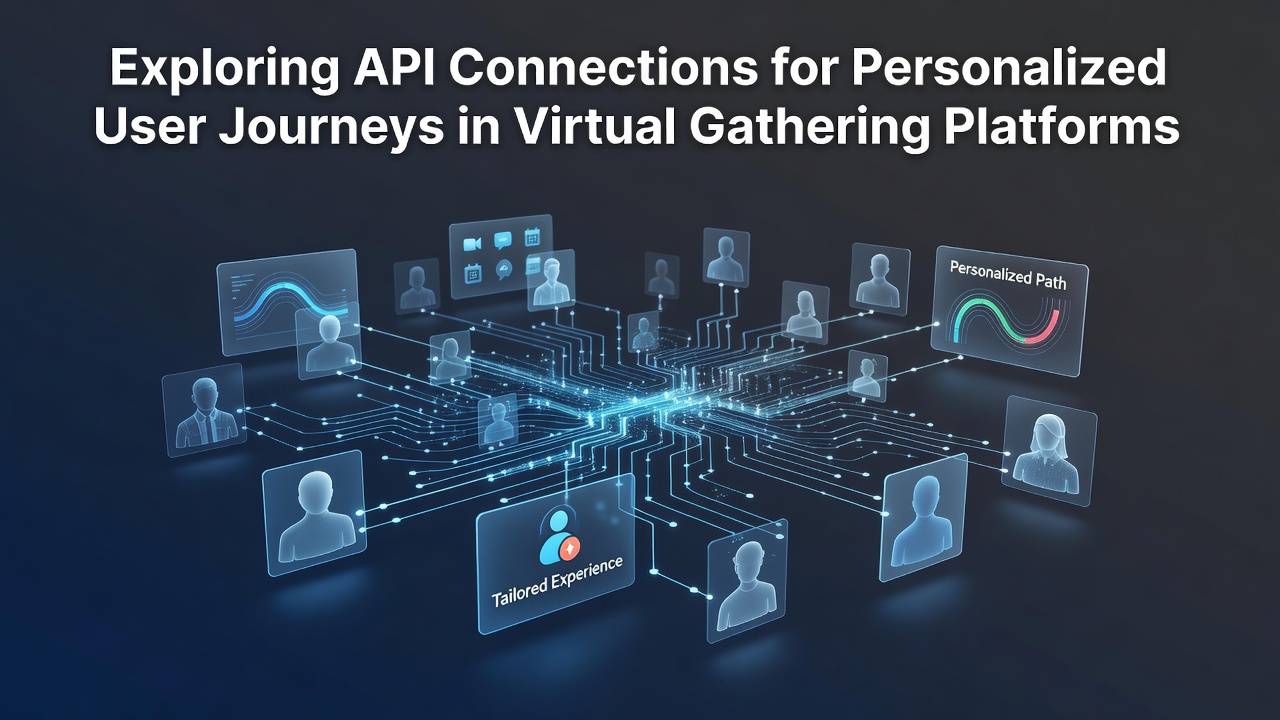
Virtual gathering platforms integrate multiple data sources through APIs to create tailored experiences for attendees, and these connections allow organizers to link user profiles with session selections, networking tools, and content delivery systems. Researchers have documented how such integrations pull information from registration databases, past event participation records, and real-time engagement metrics, while developers build endpoints that synchronize these elements across platforms like event management software and video conferencing services.
Core Components of API Integration in Virtual Environments
API connections form the backbone for data exchange between user management systems and virtual event interfaces, and they enable features such as dynamic agenda building based on attendee interests. Observers note that platforms often employ RESTful or GraphQL APIs to fetch preferences from external CRM tools, and this process supports real-time updates when users interact with chat functions or poll responses. Studies from academic institutions show that seamless API calls reduce latency in content loading, which keeps participants engaged during multi-hour sessions.
Those who manage large-scale virtual events frequently combine authentication APIs with analytics engines to verify identities and track behaviors simultaneously, and this dual approach helps maintain security while delivering customized notifications. Data from industry reports indicate that organizations using these layered connections see higher completion rates for interactive segments, as the system adjusts pathways according to individual responses gathered through the APIs.
Personalization Mechanisms Driven by API Data Flows
Personalized user journeys emerge when APIs route information about past interactions into recommendation algorithms, and these algorithms suggest sessions or breakout groups aligned with user history. Experts have observed that platforms connect to external databases via secure tokens, allowing the system to incorporate demographic details or skill levels without storing sensitive information locally. In October 2026, several major platforms plan to roll out enhanced API versions that incorporate machine learning models for predictive pathing, according to announcements from technology consortia.
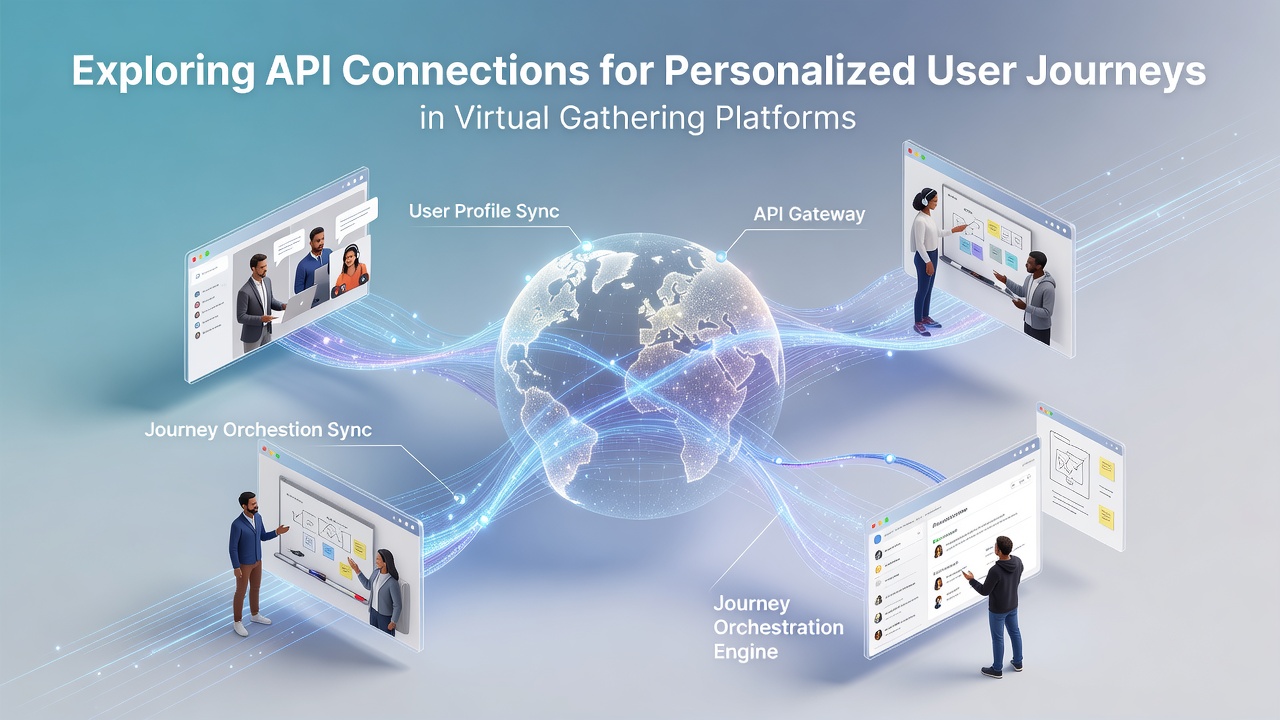
One case involved a research team that mapped API endpoints across a hybrid conference platform, and they found that integrating weather APIs with location-based user data allowed for adjustments in suggested networking times. People who attend these events often discover that their journey shifts dynamically when the system detects low engagement through connected monitoring tools, prompting alternative content streams. Research indicates that such responsive designs rely on webhook notifications triggered by user actions, which keep the personalization loop active throughout the gathering.
Security and Compliance in API-Driven Personalization
Developers implement OAuth and encryption standards within API connections to protect user data during personalization processes, and regulatory bodies in regions like the European Union and Canada have issued guidelines on handling personal information in digital events. Figures from government agencies reveal that compliance with data minimization principles reduces risks when APIs pull only necessary details for journey customization. Those responsible for platform architecture emphasize token rotation and access logging as standard practices that support both security and audit requirements.
What's interesting is how API rate limiting prevents overload during peak registration periods, while still permitting the flow of information needed for real-time adaptations. Observers note that platforms operating in Australia have adopted similar frameworks, drawing from local privacy legislation to ensure cross-border data transfers remain secure during virtual gatherings.
Implementation Examples Across Different Scales
Smaller community platforms use lightweight API connections to link simple forms with event calendars, whereas enterprise solutions connect to multiple third-party services for comprehensive tracking. Researchers discovered in one evaluation that combining social media APIs with internal user profiles increased session attendance by aligning content with expressed interests. The reality is that these integrations require careful mapping of data schemas to avoid mismatches that disrupt the user experience.
Turn to industry associations for best practices on API versioning, and they often highlight case studies where gradual rollouts allowed teams to test personalization features without interrupting ongoing events. Experts have observed that monitoring API response times becomes essential when scaling to thousands of concurrent users, since delays can break the continuity of personalized pathways.
Future Developments and Integration Trends
Emerging standards for API interoperability promise broader compatibility between virtual gathering tools and external analytics platforms, and this evolution supports more granular journey mapping. Data shows that adoption of event-specific APIs has grown steadily, driven by demand for measurable outcomes in attendee satisfaction. In October 2026, updates to major platform ecosystems are expected to introduce standardized schemas for preference sharing, according to technical working groups.
People who build these systems continue to refine error-handling routines within API calls, which ensures that personalization continues even during partial service disruptions. Researchers continue to examine how these connections influence long-term retention in digital communities, focusing on patterns revealed through aggregated usage data.
Conclusion
API connections enable the data exchanges that underpin personalized user journeys across virtual gathering platforms, and they link diverse systems into cohesive experiences for participants. Organizations that apply these techniques draw from established protocols and compliance measures to maintain functionality and security. As platforms evolve through 2026 and beyond, the emphasis remains on reliable integrations that support individual pathways while respecting data boundaries established by regional authorities and research findings.